The Project

Silverbacks, Black Mambas and Deadly Women: Gender Identities and Transformation in South African and Australian Biodiversity Conservation

This is a 4-year research project funded by Formas (the Swedish Research Council for Sustainable Development) to be carried out from 2022-2025 in South Africa and Australia in collaboration with the Stockholm Resilience Centre, Stockholm University, Australian National University and Rhodes University. Ethical approval has been obtained from the Swedish Ethical Review Authority (Etikprövningsmyndigheten), the Stockholm Resilience Centre’s Ethics Board as well as Rhodes University.

About the project

Biodiversity conservation in the Global South has been traditionally viewed as a white, male-dominated, colonial activity, associated with ‘silverback’ or ‘alpha male’ identities shaped by notions of adventure, big game hunting, and the exclusion of black and Indigenous peoples from their ancestral lands. These gender identities persist in conservation today and influence conservation practices, including, for example, recent militarised efforts to control rhino poaching in South Africa, and technological forms of ‘weeds, fire, ferals’ management in Australia. It has been increasingly noted that such practices continue to marginalise alternative, community-based and Indigenous approaches to conservation, and may actually not work to protect biodiversity over the long-term.

Yet at the same time, conservation is changing. There are global moves to diversify, decolonise and transform conservation, with greater gender diversity and inclusion seen as essential for developing more holistic, caring and just futures for life on Earth. It is increasingly recognized that including women leads to better governance of natural resources and more effective protection of ecosystems and biodiversity, and addressing gender equality is understood as central to achieving the sustainable development goals. Gender mainstreaming programs – often supported through international development policies such as Sweden’s “feminist foreign policy” – have increased the number and prominence of women in conservation in the Global South. These shifts are evident in famous initiatives like all-women anti-poaching units (‘black mambas’) in southern Africa, Indigenous women’s ranger groups (‘deadly women’) in Australia, and the growing prominence of women’s conservation networks and leadership programs around the world.

So far, however, there has been very little research on the actual lived experiences of conservationists operating within these shifting conservation landscapes. True gender equality and diversity will not be achieved simply through the greater presence of previously excluded groups in conservation, but by changing how people relate to each other in day-to-day situations and practices. For example, emerging critical reports of women’s anti-poaching units suggest that while they do herald greater women’s participation in conservation, they also continue to reproduce potentially damaging gender stereotypes and practices. There have been increasing calls from the conservation community, including from women we have worked with in a South African pilot project, for research that explores the changing roles and identities performed by women, men and non-binary people working in conservation, and the ways in which these identities intersect with changing race, class and political identities.

This 4-year project will build on existing research at the Stockholm Resilience Centre (Stockholm University) to explore changing gender identities and their effects on conservation practices in South Africa and Australia. We will begin by using critical discourse analysis – a way to analyse the meanings communicated by texts – to explore the conservation gender identities portrayed in traditional and social media, and how they challenge or reproduce inequitable gender relations. We will then use photovoice – a method where research participants use photography to document their lives – to explore how conservationists adopt, challenge or transform these and other identities in their everyday work practices. Finally, we will work with our International Reference Group, consisting of 9 experts on gender, conservation and transformation, to put our results in a global context and highlight the importance of gender identities in conservation and sustainability research and practice.

Overall, the project will advance social scientific understanding of the role of gender in conservation, and more broadly how the meanings and lived experiences of conservationists shape conservation practices and their efficacy. The project will also contribute to processes of social change within the conservation sector by using a range of communication tools – including an online photography exhibit, scientific publications and popular news articles – to nurture self-awareness and reflection among conservationists. Such ‘reflexivity’ is recognised as an essential step towards more equitable gender and race relations, and to more diverse and just systems of protecting ecosystems.
Get involved!

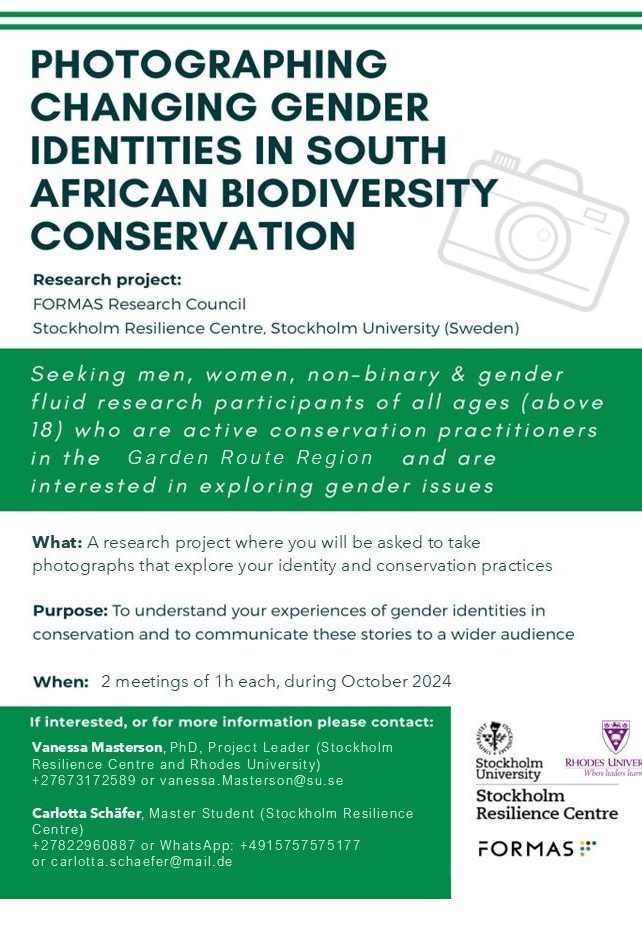
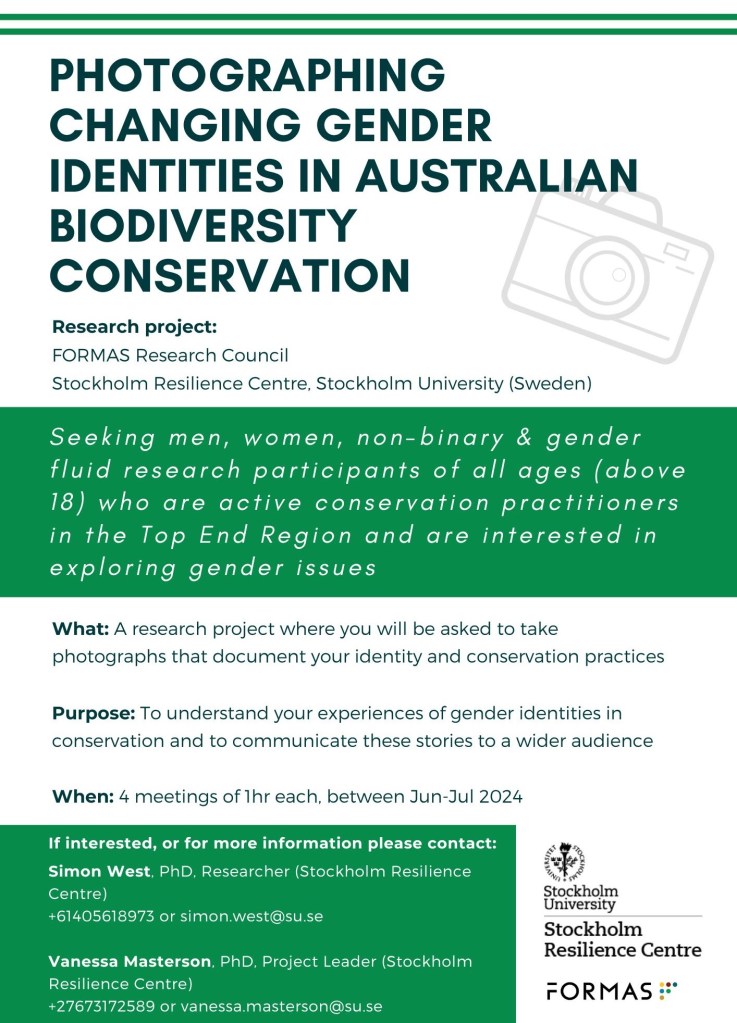
We are currently recruiting participants!


If you are a conservation practitioner working in the Garden Route Region, the Greater Kruger region, South Africa or the Top End region, Australia and are interested in exploring gender issues through participatory photography (or if you know anyone else who might be), please get in touch!

If you are based in South Africa, please contact:
Dr. Vanessa Masterson (Project Leader), vanessa.masterson@su.se, +27673172589
Carlotta Schäfer (Master Student), carlotta.schaefer@mail.de, +27822960887
If you are based in Australia, please contact:
Dr. Simon West (Co-Project Leader), simon.west@su.se, +61405618973
Frida Lamberth Wallensteen (Master Student), frida.lamberth@gmail.com, +61493191382

If interested in participating, please feel free to have a look at the information and informed consent documents below:

Case studies & methods

Case Studies

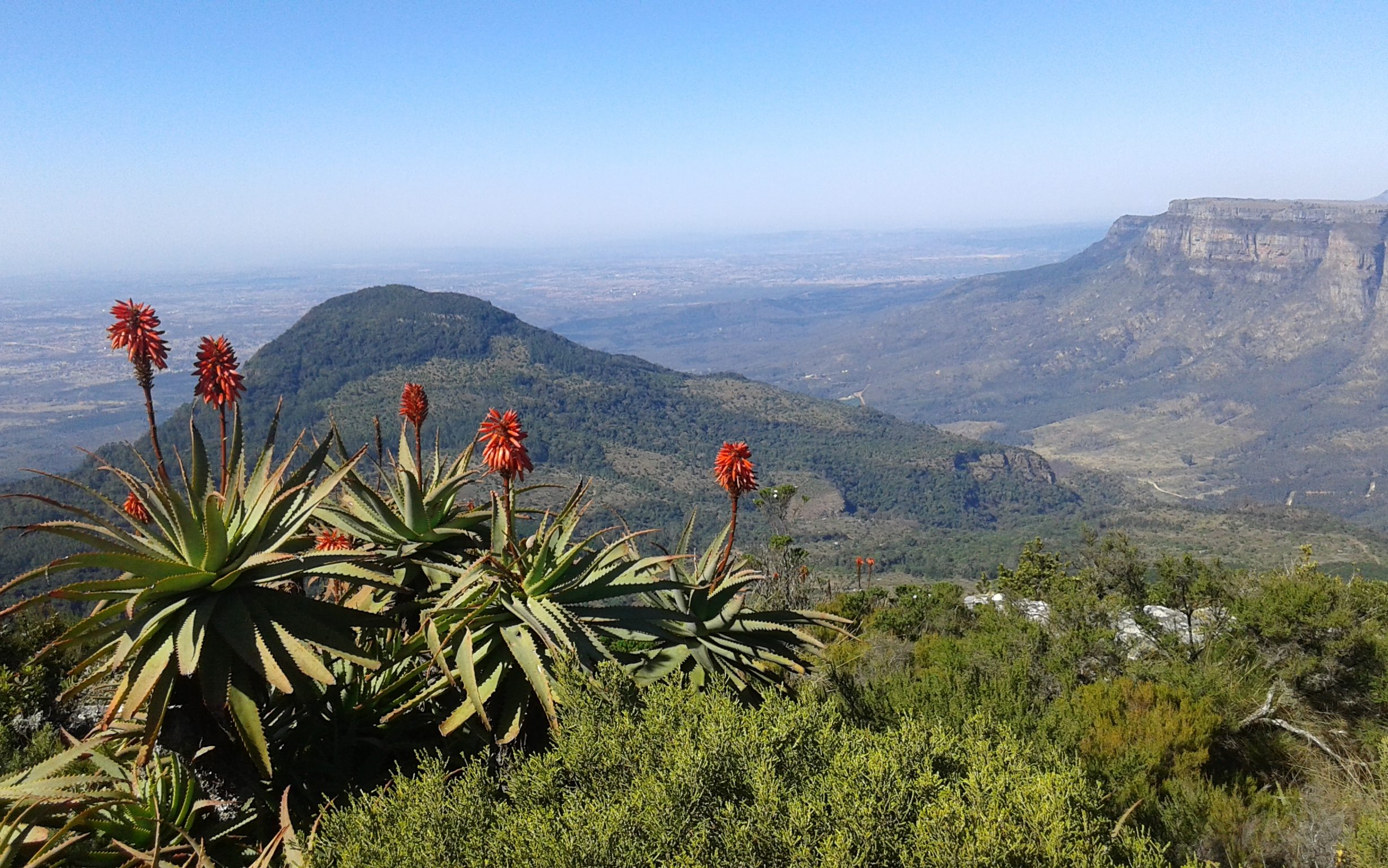
Escarpment to the Lowveld © Jenny Newenham 2021 | Women in Conservation project | Lowveld, South Africa

The Greater Kruger Region, South Africa

The Greater Kruger region comprises a network of protected areas including the Kruger National Park, private and provincial reserves as well as multiple stakeholder groups whose constituencies are founded on diverse values, beliefs and management strategies. The conservation landscapes within Mpumalanga and Limpopo provinces cover South Africa’s eastern region of the savannah biome and are primarily composed of arid bushveld ecosystems along the border of Mozambique. Three main vegetation types occur in the KNP and surrounding landscapes: broad-leave savannah occurs in the western region on well-drained soils, fine-leaved thornveld savannah occurs in the eastern part on clay-like soils, while mountain bushveld occurs in the Lebombo Mountains. The geology and vegetation varies from west to east in longitudinal bands within the KNP; meaning that there is significant variation from sourveld to sweetveld across the park and therefore varying wildlife distributions throughout the region.

The diversity of the biophysical landscape in the Lowveld is paralleled by equally diverse cultural and social heterogeneity. At least two million people reside within 50km of the western border of the KNP, including the major cultural groups of Vhavenda, Tsonga, Pedi and Venga inhabiting the former apartheid bantustans of Venda, Gazankulu, Lebowa and KaNgwane. The experiences of forced removals from conservation areas have shaped the attitudes of local communities in the central Lowveld toward protected areas.

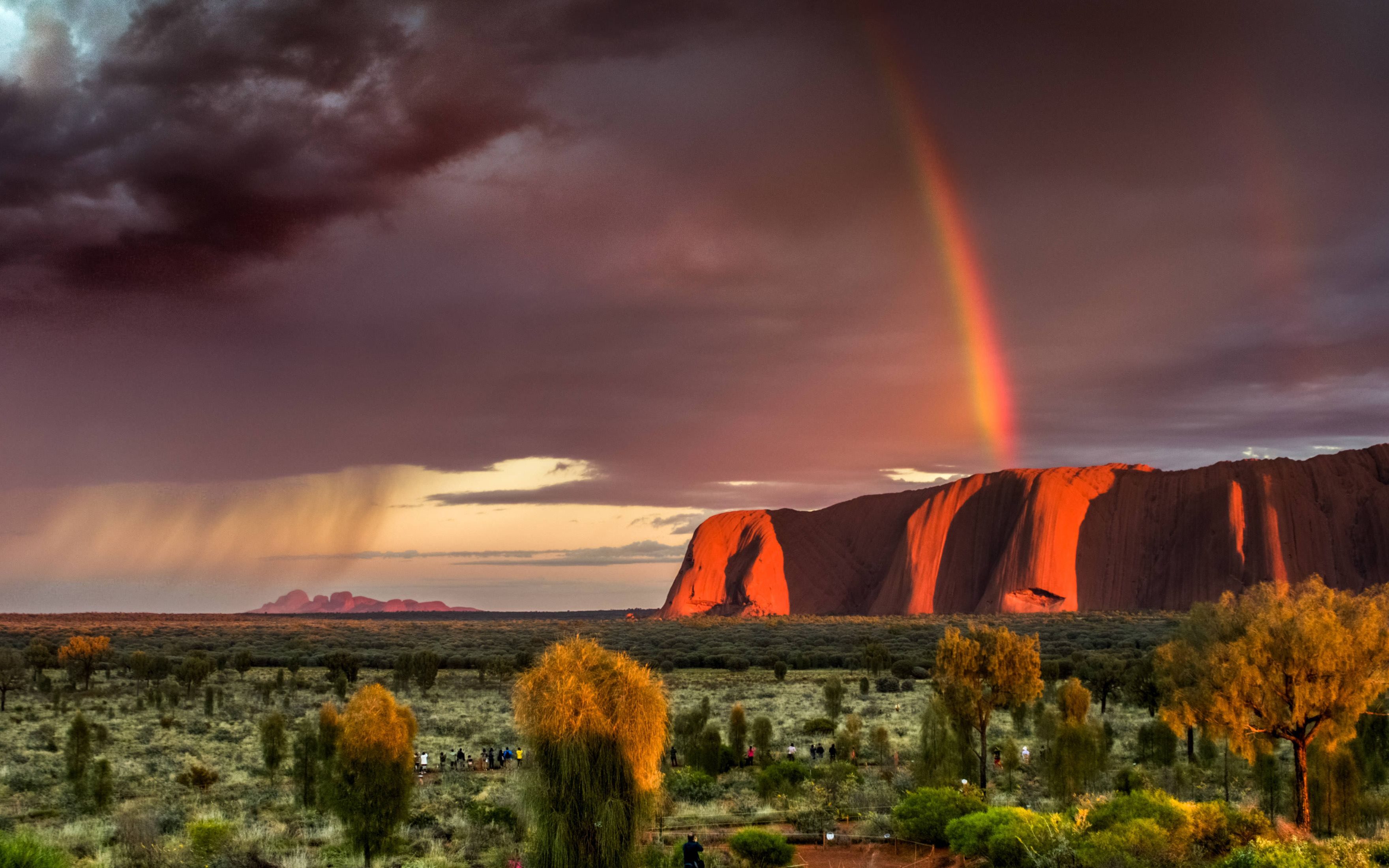
Kakadu National Park © The Nature Conservancy, Australia 2023

The Top End Region, Australia

The Top End region, which includes areas in the Northern Territory and the northern parts of Western Australia and Queensland, is a unique and ecologically diverse landscape. The Top End lies within the Arnhem Land tropical savannah ecoregion and is characterized by lush tropical rainforests, wetlands, savannahs, and coastal environments, making it one of the most biologically rich and environmentally significant areas in the country.

Since European settlement, pastoralism, mining and tourism ventures have displaced Indigenous peoples from their ancestral lands and have caused drastic changes to the landscapes as well as decline in flora and fauna in the Northern Territory.

Today, Indigenous groups are critical stakeholders in Top End conservation including the Bininj/Mungguy people and the Gundjeihmi/Djok Clan and their role in managing Kakadu National Park, the Yolŋu custodians of Arnhem Land, the Jawoyn people (traditional owners of Nitmiluk National Park), the Larrakia people (contributing to efforts in and around Darwin), the Wardaman home to the Victorian River region, and many others.

While collaborative efforts are being made between Indigenous peoples and government agencies such as joint management of protected areas, Indigenous ranger groups and integration of traditional ecological knowledge, diverse visions, aspirations and beliefs about conservation management persist.

Methods

Step 1:
Photovoice

Step 2:
Critical Discourse Analysis

Step 3:
Conceptual Synthesis & Photography Exhibit

Step 1: Conservationists in action – the performances of gender identities in South African and Australian biodiversity conservation

Photovoice
We will use photovoice to explore how individual conservationists in the Greater Kruger and Top End regions experience and perform gender identities and how these relate to their everyday practices. We will adopt a broad definition of ‘conservationists’ that recognizes the close crossovers between researchers and practitioners. Participants will likely work across a variety of stakeholder groups and will identify with a range of gender identities including men, women, non-binary and gender fluid. Photovoice draws on critical education and feminist theory and uses participants’ own photographs to help them to reflect on their experiences, promote critical dialogue, and communicate to a wider audience.

Step 2: Silverbacks, black mambas and deadly women – the discursive construction of gender identities in South African and Australian conservation

Critical Discourse Analysis
We will use critical discourse analysis to analyse how the gender identities of conservationists are constructed in the South African and Australian media. Critical discourse analysis is a qualitative method that uses linguistic analysis to explore how power and ideology are expressed through language. In particular, we will adopt a multi-modal approach, using Fairclough’s analytical steps to examine the juxtaposition of images and text in national print media. We will produce one analysis for the South African and one for the Australian case.

Step 3: Transforming conservation – conceptual synthesis and virtual photography exhibition

Conceptual Synthesis & Photography Exhibition
We will integrate our findings from Steps 1 and 2, and build on the international literature and the expertise of our International Reference Group to produce a conceptual synthesis of the role of gender identities in transforming and decolonizing conservation. We will structure this synthesis around a series of integrative questions:
(i) What emerging gender identities do we see in our South African and Australian cases and in others around the world?
(ii) Are these changing gender identities associated with different conservation practices?
(iii) Do these identities challenge or perpetuate inequitable gender relations?
(iv) What possible ‘seeds’ are there for more widespread transformations?
We will combine this conceptual work with an online photographic exhibit, co-developed with participants from Step 1, showcasing the photographs of conservationists in South Africa and Australia.

Research Team

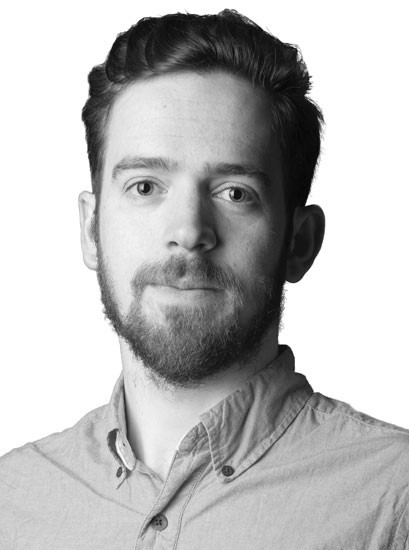
Vanessa Masterson, PhD
Stockholm Resilience Centre, Rhodes University
Project Leader

Vanessa is the Principal Investigator and is responsible for leading the South African discourse analysis and photovoice exercises, co-developing the synthesis paper, as well as project administration and coordination. She is currently the Stewardship Transformation Theme Leader at Stockholm Resilience Centre (SRC) and an Honorary Associate at Rhodes University, SA. She has used participatory and interpretive methodologies to examine community conservation conflicts in South Africa and has expertise in inclusive approaches to navigating power inequalities and cultural differences in decolonising conservation partnerships.

Simon West, PhD
Stockholm Resilience Centre, Australian National University
Co-Project Leader

Simon is the co-project leader responsible for leading the Australian discourse analysis and photovoice exercise, and co-developing the conceptual synthesis. He is a researcher at the SRC, an Honorary Lecturer at the Fenner School of Environment and Society (ANU), and a Visiting Researcher at the Northern Institute (Charles Darwin University). He has expertise in applying interpretive methodologies in Australian and South African conservation. The project builds on Simon’s PhD research on conservation meanings and practices in the Greater Kruger region, and current work with conservation organizations in the Top End, Australia.

Frida Lamberth Wallensteen, MSc Stockholm Resilience Centre, Research Assistant
Frida Lamberth supports the project by focusing on exploring the complexities of social-ecological systems, emphasizing embodied human-nature relations and multispecies methodologies. For her master’s thesis, Frida conducted fieldwork in the Top End, northern Australia. Her project explored the affective, multisensory experiences of conservationists on the frontline of rapid social-ecological change, and the contextual links to colonial and patriarchal structures. The research also aims to increase understanding of how affective experiences such as distress and hope can catalyze transformation within conservation field in the Top End.

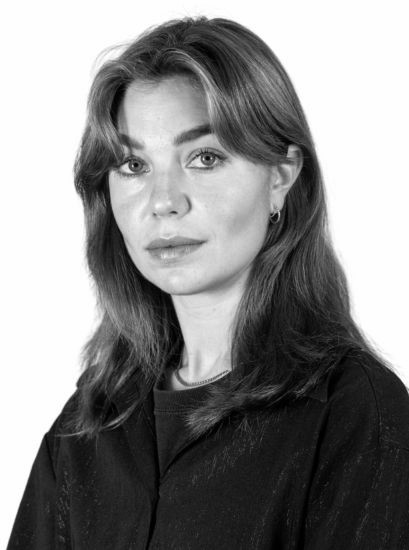
Carlotta Schäfer, MSc Stockholm Resilience Centre, Research Assistant
Carlotta Schäfer contributed to the project by conducting fieldwork in Kruger National Park, South Africa, for her master’s thesis, Gender, Game and Guns: Gendered perceptions and lived experiences of militarised conservation in South Africa’s Kruger National Park. Her research explored how militarised approaches to conservation shape and are shaped by gendered performances, revealing how intertwined dynamics of masculinity and militarisation influence both the experiences of conservationists and the possibilities for more inclusive conservation practices. Carlotta previously completed a Bachelor’s degree in Sustainable Business Development at Jönköping University in Sweden, where her thesis examined the challenges faced by the indigenous Sami reindeer industry in northern Sweden. She has since completed her master’s degree and is now working as a research assistant within the project.

International Reference Group

We are thrilled to have the following members as part of our reference group to provide expert guidance on the direction and implementation of the project and to build a community of practice around their intersecting expertise on issues of gender, conservation and transformation:

  • Prof. Marja Spierenburg (Leiden University, Stellenbosch University)
  • Dr. Grace Wong (Stockholm Resilience Centre, Stockholm University, Research Institute for Humanity and Nature in Kyoto)
  • Prof. Bram Büscher (Wageningen University, Stellenbosch University)
  • Prof. Juanita Sundberg (University of British Columbia)
  • Dr. Carina Wyborn (Australian National University)
  • Docent Lisen Schultz (Stockholm Resilience Centre, Stockholm University)
  • Dr. Emmeline L. Ambjörnsson (Uppsala University)
  • Dr. Beau Austin (Charles Darwin University)
  • Dr. Marnie Graham (Macquarie University)

Contact

If you are interested in learning more about the project or if you have any questions, we’d love to hear from you!

← Back

Thank you for your response. ✨

Warning
Warning
Warning
Warning!