We are sincerely grateful to all the participants who engaged in the master’s thesis project Women in Conservation, Narratives of Care, Place and Practice in the Lowveld Region, South Africa. Their collective experiences, stories and photographs inspired and helped us to pilot this research project.
© <Dr. Lucy Kemp> <2021> | Women in Conservation project | Lowveld, South Africa.
© <Dr. Michelle Henley> <2021> | Women in Conservation project | Lowveld, South Africa. © <Dr. Michelle Henley> <2021> | Women in Conservation project | Lowveld, South Africa.
© <Dr. Michelle Henley> <2021> | Women in Conservation project | Lowveld, South Africa. © <Dr. Michelle Henley> <2021> | Women in Conservation project | Lowveld, South Africa.
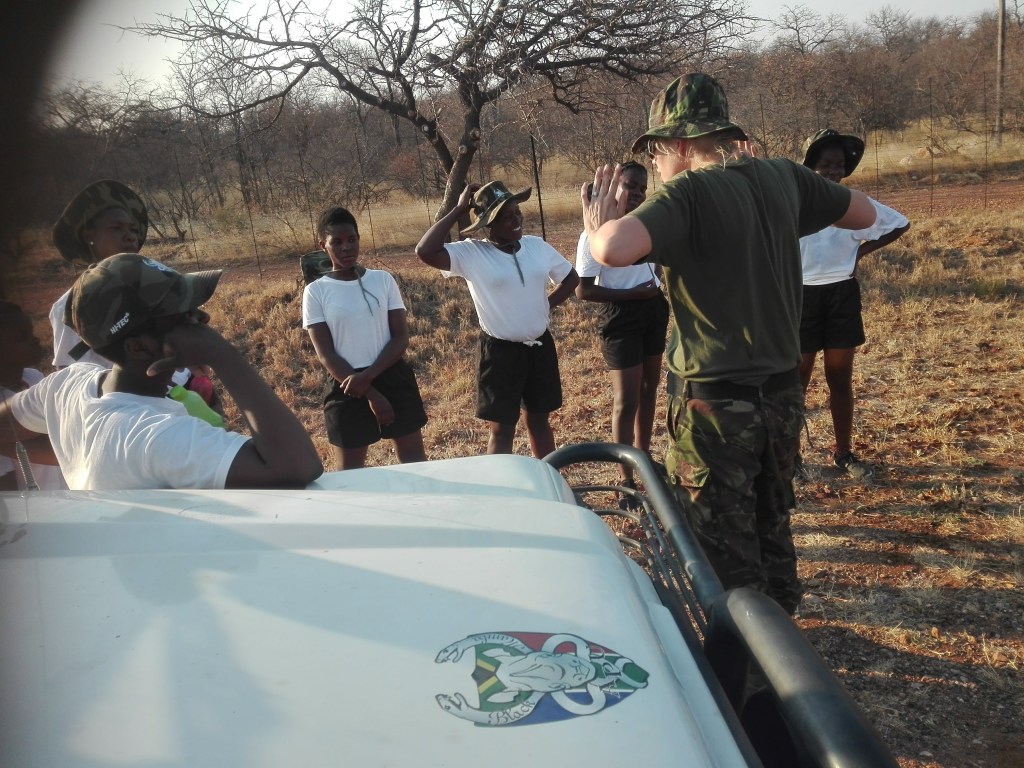
© <Kath Forssman> <2015> | Women in Conservation project | Lowveld, South Africa.
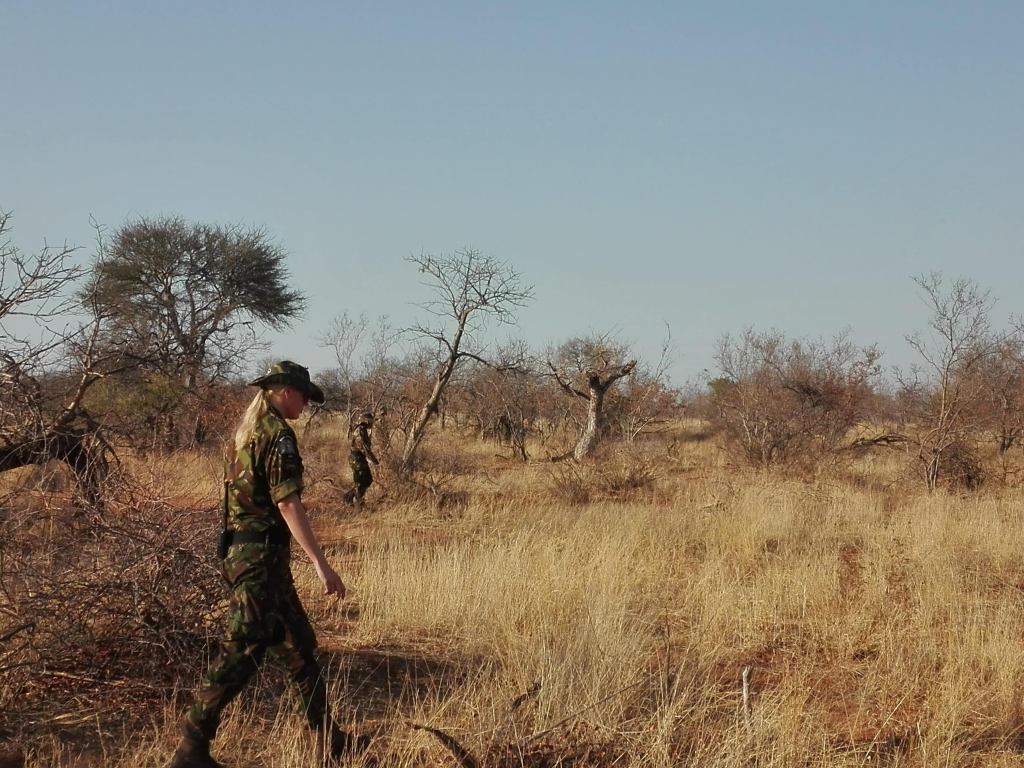
© <Kath Forssman> <2015> | Women in Conservation project | Lowveld, South Africa.
© <Patience Shito> <2019> | Women in Conservation project | Lowveld, South Africa. © <Patience Shito> <2019> | Women in Conservation project | Lowveld, South Africa.
© <Jenny Newenham> <2021> | Women in Conservation project | Lowveld, South Africa.
© <Leonie Hofstra> <2021> | Women in Conservation project | Lowveld, South Africa. © <Leonie Hofstra> <2021> | Women in Conservation project | Lowveld, South Africa.
© <Leonie Hofstra, on behalf of Valeria van der Westhuizen> <2020> | Women in Conservation project | Lowveld, South Africa.
© <Navashni Govender> <2021> | Women in Conservation project | Lowveld, South Africa. © <Navashni Govender> <2021> | Women in Conservation project | Lowveld, South Africa.
© <Mapula Mokwele> <2021> | Women in Conservation project | Lowveld, South Africa.
© <Charlene van der Berg> <2020> | Women in Conservation project | Lowveld, South Africa. © <Charlene van der Berg> <2021> | Women in Conservation project | Lowveld, South Africa.
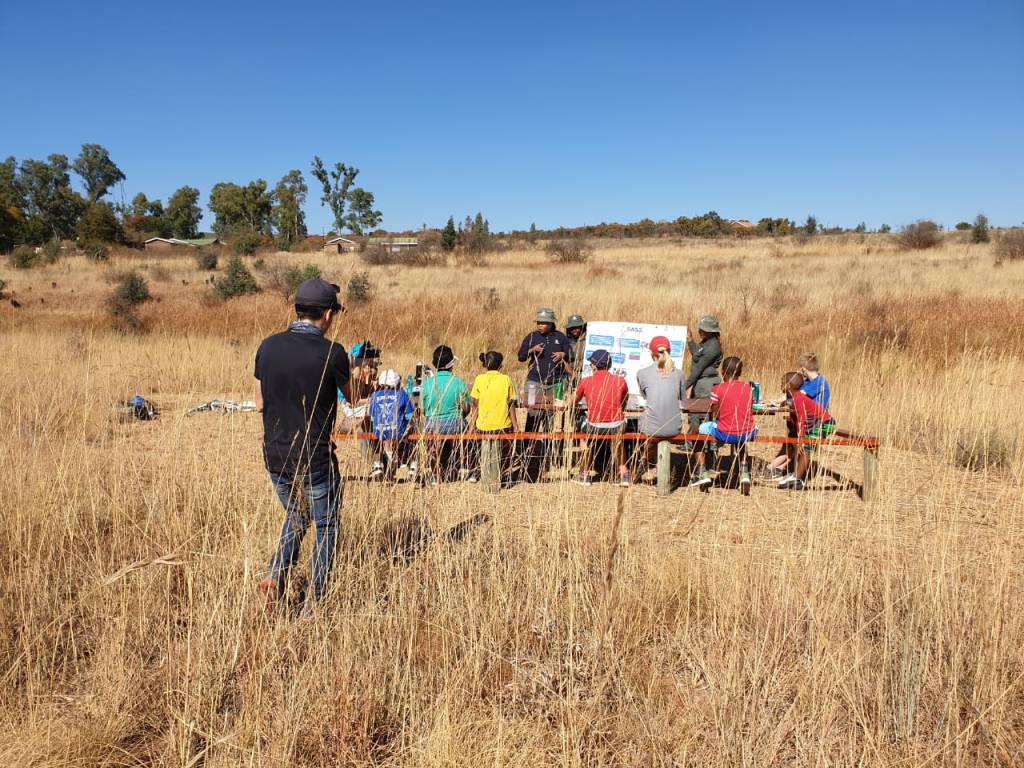
© <Dr. Lucy Kemp> <2021> | Women in Conservation project | Lowveld, South Africa. © <Dr. Lucy Kemp> <2021> | Women in Conservation project | Lowveld, South Africa.
© <Nthabiseng Monama> <2021> | Women in Conservation project | Lowveld, South Africa. © <Nthabiseng Monama> <2021> | Women in Conservation project | Lowveld, South Africa.
© <Dr. Lucy Kemp> <2021> | Women in Conservation project | Lowveld, South Africa.


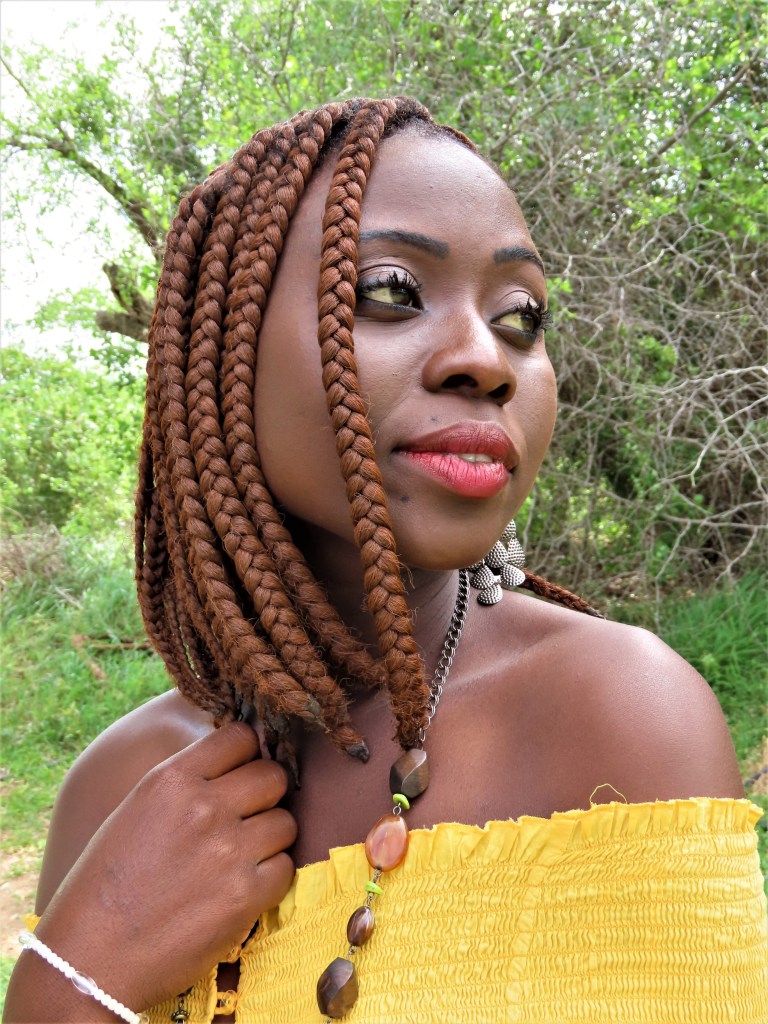

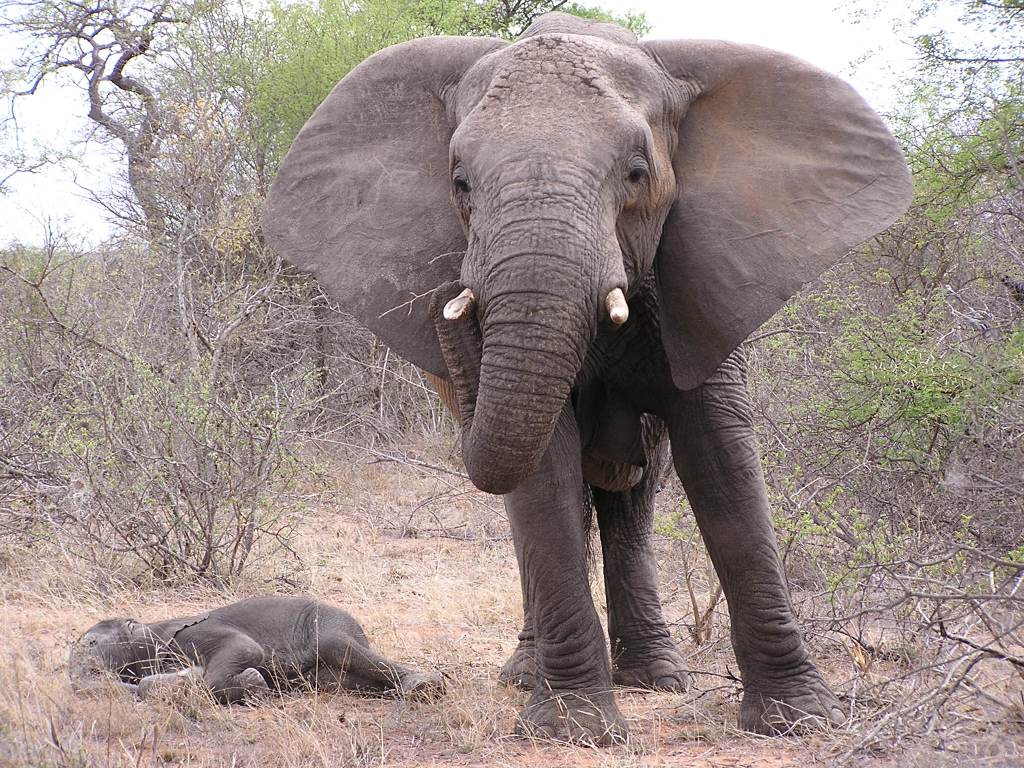
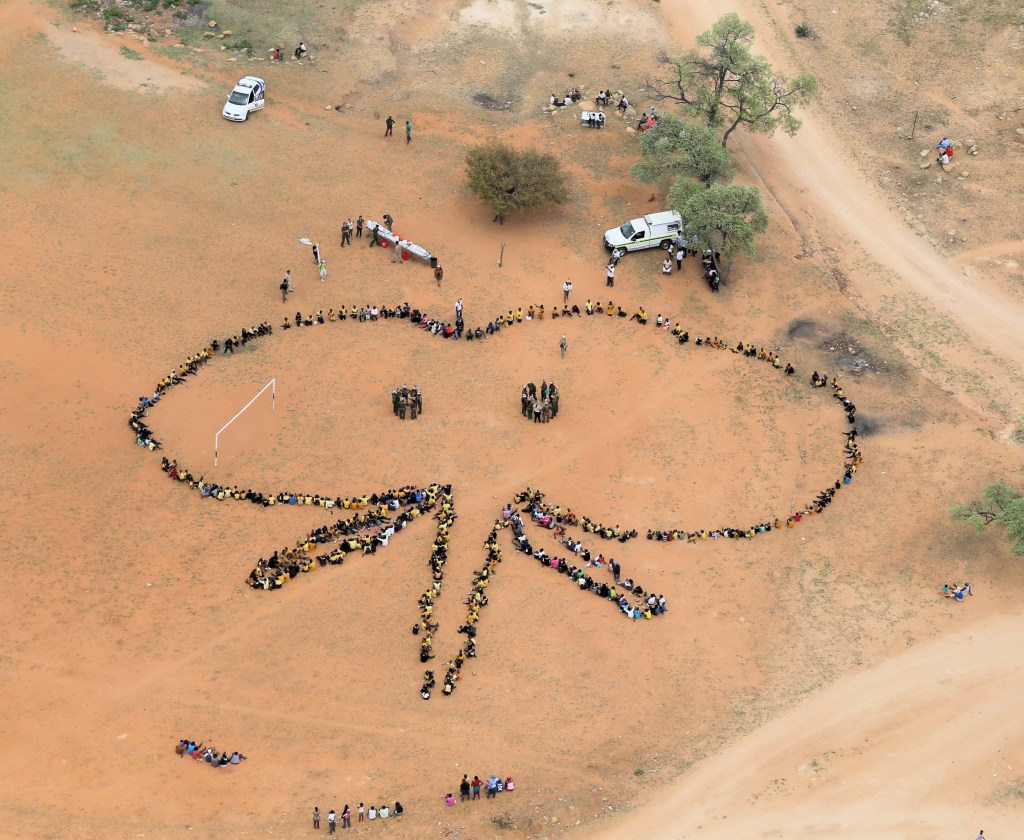

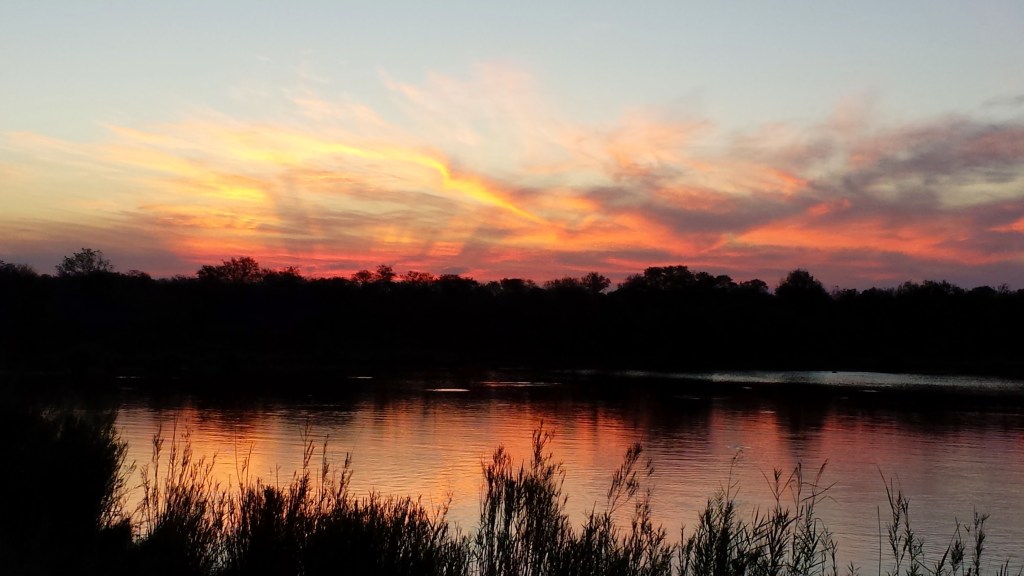




 Gender Identities and Transformation in Biodiversity Conservation