

Case Studies
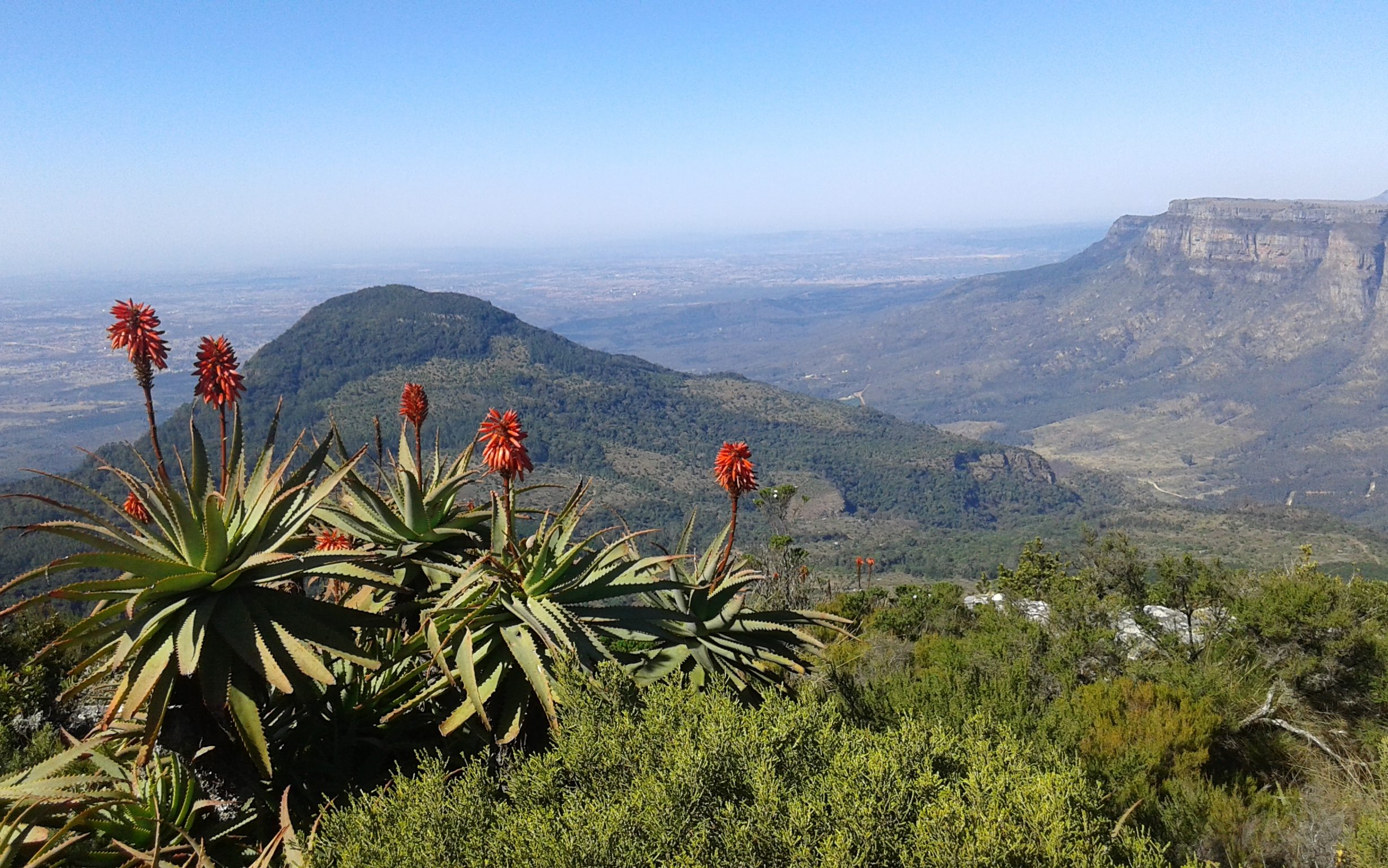
The Greater Kruger Region, South Africa
The Greater Kruger region comprises a network of protected areas including the Kruger National Park, private and provincial reserves as well as multiple stakeholder groups whose constituencies are founded on diverse values, beliefs and management strategies. The conservation landscapes within Mpumalanga and Limpopo provinces cover South Africa’s eastern region of the savannah biome and are primarily composed of arid bushveld ecosystems along the border of Mozambique. Three main vegetation types occur in the KNP and surrounding landscapes: broad-leave savannah occurs in the western region on well-drained soils, fine-leaved thornveld savannah occurs in the eastern part on clay-like soils, while mountain bushveld occurs in the Lebombo Mountains. The geology and vegetation varies from west to east in longitudinal bands within the KNP; meaning that there is significant variation from sourveld to sweetveld across the park and therefore varying wildlife distributions throughout the region.
The diversity of the biophysical landscape in the Lowveld is paralleled by equally diverse cultural and social heterogeneity. At least two million people reside within 50km of the western border of the KNP, including the major cultural groups of Vhavenda, Tsonga, Pedi and Venga inhabiting the former apartheid bantustans of Venda, Gazankulu, Lebowa and KaNgwane. The experiences of forced removals from conservation areas have shaped the attitudes of local communities in the central Lowveld toward protected areas.
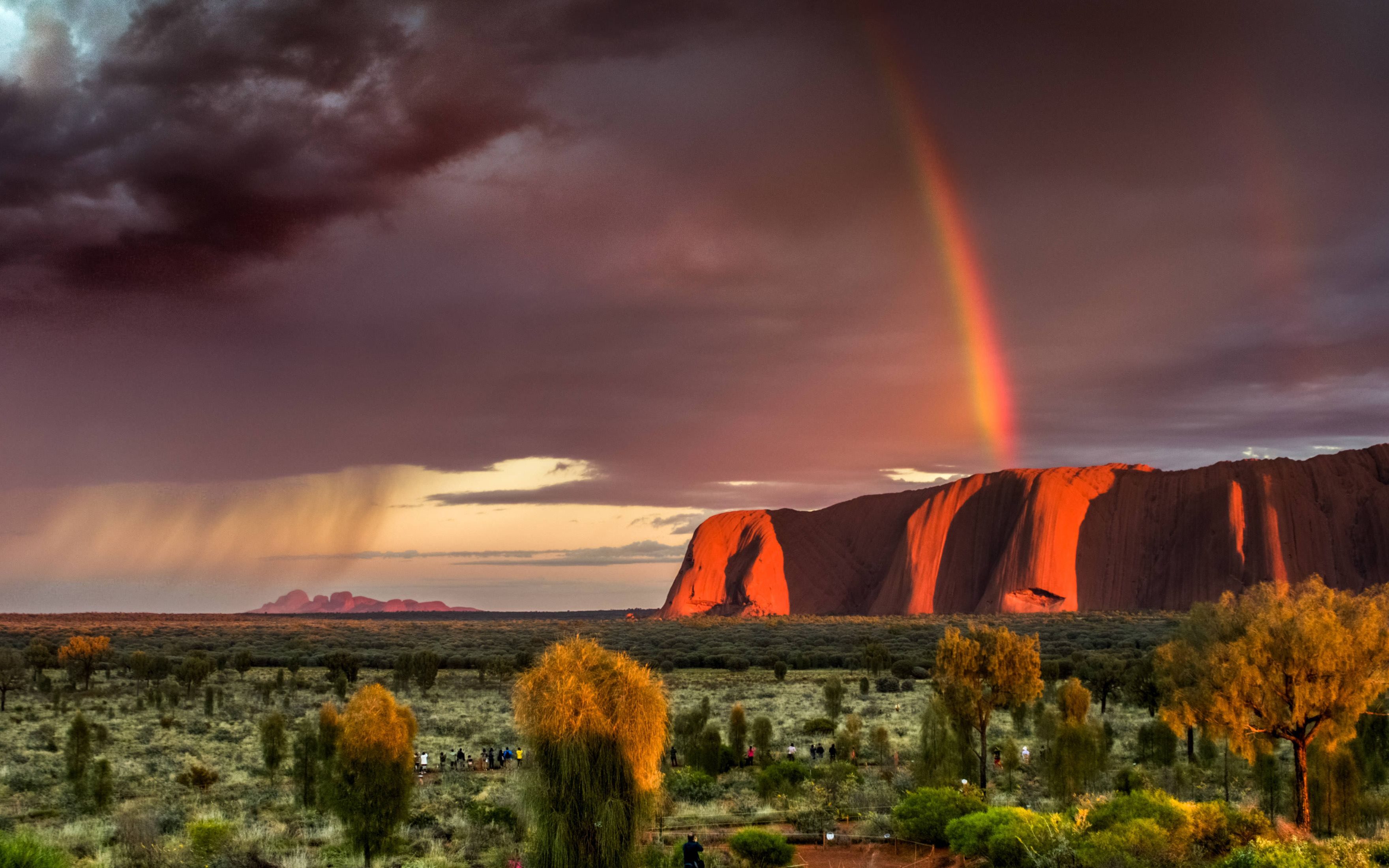
The Top End Region, Australia
The Top End region, which includes areas in the Northern Territory and the northern parts of Western Australia and Queensland, is a unique and ecologically diverse landscape. The Top End lies within the Arnhem Land tropical savannah ecoregion and is characterized by lush tropical rainforests, wetlands, savannahs, and coastal environments, making it one of the most biologically rich and environmentally significant areas in the country.
Since European settlement, pastoralism, mining and tourism ventures have displaced Indigenous peoples from their ancestral lands and have caused drastic changes to the landscapes as well as decline in flora and fauna in the Northern Territory.
Today, Indigenous groups are critical stakeholders in Top End conservation including the Bininj/Mungguy people and the Gundjeihmi/Djok Clan and their role in managing Kakadu National Park, the Yolŋu custodians of Arnhem Land, the Jawoyn people (traditional owners of Nitmiluk National Park), the Larrakia people (contributing to efforts in and around Darwin), the Wardaman home to the Victorian River region, and many others.
While collaborative efforts are being made between Indigenous peoples and government agencies such as joint management of protected areas, Indigenous ranger groups and integration of traditional ecological knowledge, diverse visions, aspirations and beliefs about conservation management persist.
Methods

Step 1:
Photovoice

Step 2:
Critical Discourse Analysis
Step 3:
Conceptual Synthesis & Photography Exhibit
Step 1: Conservationists in action – the performances of gender identities in South African and Australian biodiversity conservation
Photovoice
We will use photovoice to explore how individual conservationists in the Greater Kruger and Top End regions experience and perform gender identities and how these relate to their everyday practices. We will adopt a broad definition of ‘conservationists’ that recognizes the close crossovers between researchers and practitioners. Participants will likely work across a variety of stakeholder groups and will identify with a range of gender identities including men, women, non-binary and gender fluid. Photovoice draws on critical education and feminist theory and uses participants’ own photographs to help them to reflect on their experiences, promote critical dialogue, and communicate to a wider audience.
Step 2: Silverbacks, black mambas and deadly women – the discursive construction of gender identities in South African and Australian conservation
Critical Discourse Analysis
We will use critical discourse analysis to analyse how the gender identities of conservationists are constructed in the South African and Australian media. Critical discourse analysis is a qualitative method that uses linguistic analysis to explore how power and ideology are expressed through language. In particular, we will adopt a multi-modal approach, using Fairclough’s analytical steps to examine the juxtaposition of images and text in national print media. We will produce one analysis for the South African and one for the Australian case.
Step 3: Transforming conservation – conceptual synthesis and virtual photography exhibition
Conceptual Synthesis & Photography Exhibition
We will integrate our findings from Steps 1 and 2, and build on the international literature and the expertise of our International Reference Group to produce a conceptual synthesis of the role of gender identities in transforming and decolonizing conservation. We will structure this synthesis around a series of integrative questions:
(i) What emerging gender identities do we see in our South African and Australian cases and in others around the world?
(ii) Are these changing gender identities associated with different conservation practices?
(iii) Do these identities challenge or perpetuate inequitable gender relations?
(iv) What possible ‘seeds’ are there for more widespread transformations?
We will combine this conceptual work with an online photographic exhibit, co-developed with participants from Step 1, showcasing the photographs of conservationists in South Africa and Australia.
 Gender Identities and Transformation in Biodiversity Conservation